Air & Space Month Books
Discover thrilling books that explore the wonders of space and the incredible innovations of aircraft, past and future.
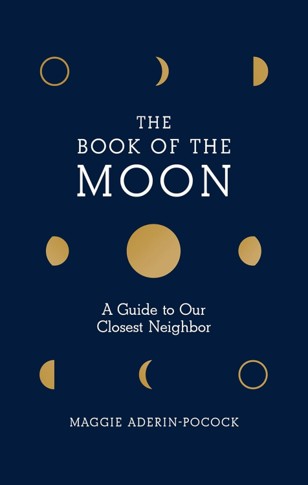
The book of the moon: a guide to our closest neighbor
Have you ever wondered if there are seasons on the moon or if space tourism will ever become commonplace? So has Dr. Maggie Aderin-Pocock. In fact, she earned her nickname "Lunatic" because of her deep fascination for all things lunar. In her lucidly written, comprehensive guide to the moon, Aderin-Pocock takes listeners on a journey to our closest celestial neighbor, exploring folklore, facts, and future plans. She begins with the basics, unpacking everything from the moon's topography and composition to its formation and orbit around the Earth. She travels back in time to track humanity's relationship with the moon -- beliefs held by ancient civilizations, the technology that allowed for the first moon landing, a brief history of moongazing, and how the moon has influenced culture throughout the years -- and then to the future, analyzing the pros and cons of continued space travel and exploration.
Book Length:
Digital Book Number: DB136339

Weird universe: everything we don't know about space (and why it's important)
Unlock the wonders of space with a fresh and exciting perspective. Erika Hamden, a renowned astrophysicist and educator, brings her passion for space to life in this engaging book. With years of experience studying the cosmos, Hamden specializes in making complex topics fun and easy to understand. Her expertise shines through as she leads listeners on an exploration of the strangest and most awe-inspiring phenomena in space. Whether you're fascinated by the biggest black holes, curious about the history of NASA, or simply want to explore the strange and magnificent things we've found in outer space, this book is for you. No prior knowledge required -- just a desire to understand more about the cosmos and its connection to life here on Earth. See how space exploration shapes our everyday world. Space isn't just an abstract concept -- it plays a crucial role in shaping the technology we use every day. From NASA's breakthroughs to innovations inspired by our exploration of the cosmos, Hamden shows how space discoveries influence our world. You'll also gain insight into the process behind these findings, from the questions scientists ask to the groundbreaking answers they uncover. By the end of the book, you'll understand not just what we know about the universe, but how we've come to know it.
Book Length:
Digital Book Number: DB134289
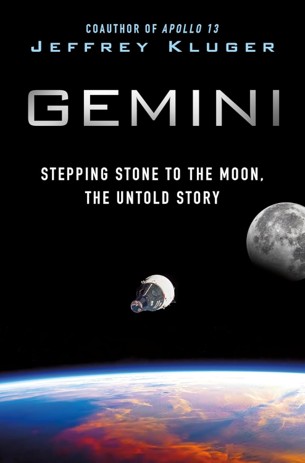
Gemini: stepping stone to the moon, the untold story
Without Gemini, there would be no Apollo. After we first launched Americans into space but before we touched down on the moon's surface, there was the Gemini program. It was no easy jump from manned missions in low-Earth orbit to a successful moon landing, and the ten-flight, twenty-month celestial story of the Gemini program is an extraordinary one. There was unavoidable darkness in the program -- the deaths and near-deaths that defined it, and the blood feud with the Soviet Union that animated it. But there were undeniable and previously inconceivable successes. With a war raging in Vietnam and lawmakers calling for cuts to NASA's budget, the success of the Gemini program -- or the space program in general -- was never guaranteed. Yet against all odds, the remarkable scientists and astronauts behind the project persevered, and their efforts paid off. Later, with the knowledge gained from the Gemini flights, NASA would launch the legendary Apollo program. Told with Jeffrey Kluger's signature cinematic storytelling and in-depth research and interviews, Gemini is an edge-of-your-seat narrative chronicling the history of the least appreciated -- and most groundbreaking -- space program in American history. Finally, Gemini's story will be told, and finally, we'll learn the truth of how we landed on the moon.
Book Length:
Digital Book Number: DB133184
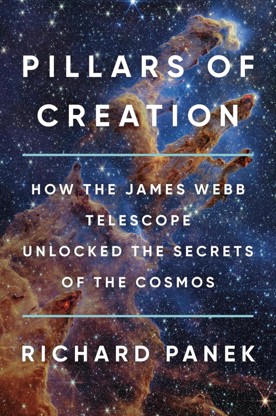
Pillars of creation: how the James Webb Telescope unlocked the secrets of the cosmos
The James Webb Space Telescope is transforming the universe right before our eyes--and here, for the first time, is the inside account of how the mission originated, how it performs its miracles of science, and what its revolutionary images are revealing.
Book Length:
Digital Book Number: DB127964
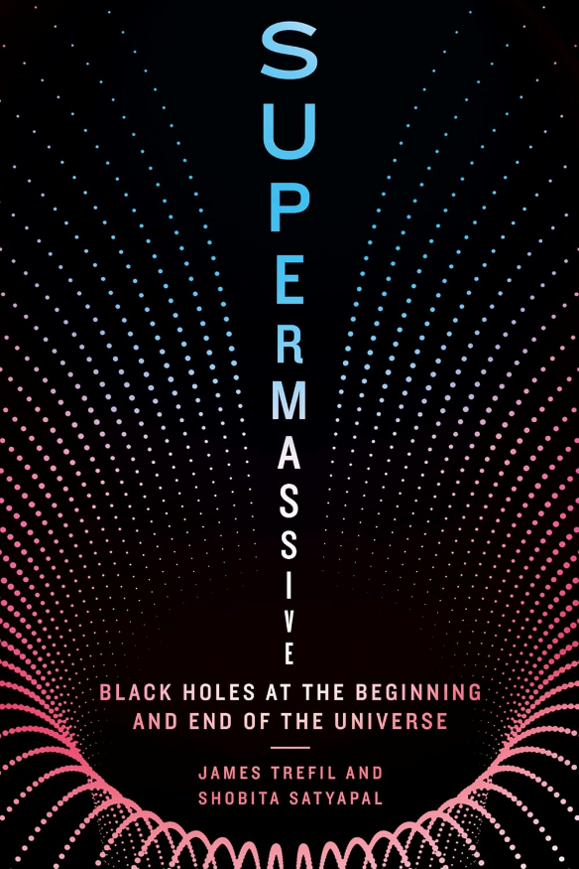
Supermassive: black holes at the beginning and end of the universe
Black holes, demystified: follow along the quest to understand the history and influence of one of space science's most fascinating and confounding phenomena.
Book Length:
Digital Book Number: DB128081

Imminent: inside the Pentagon's hunt for UFOs
Luis "Lue" Elizondo is a former senior intelligence official and special agent who was recruited into a strange and highly sensitive US Government program to investigate UAP incursions into sensitive military installations and air space. To accomplish his mission, Elizondo had to rely on decades of experience gained working some of America's most sensitive and classified programs. Even then, he was not prepared for what he would learn, and the truth about the government's long shadowy involvement in UAP investigations, and the lengths officials would take to keep them a secret.
Book Length:
Digital Book Number: DB125385

Mercury Rising: John Glenn, John Kennedy, and the New Battleground of the Cold War
A riveting history of the epic orbital flight that put America back into the space race. If the United States couldn't catch up to the Soviets in space, how could it compete with them on Earth? That was the question facing John F. Kennedy at the height of the Cold War--a perilous time when the Soviet Union built the wall in Berlin, tested nuclear bombs more destructive than any in history, and beat the United States to every major milestone in space. The race to the heavens seemed a race for survival--and America was losing. On February 20, 1962, when John Glenn blasted into orbit aboard Friendship 7, his mission was not only to circle the planet; it was to calm the fears of the free world and renew America's sense of self-belief. Mercury Rising re-creates the tension and excitement of a flight that shifted the momentum of the space race and put the United States on the path to the moon. Drawing on new archival sources, personal interviews, and previously unpublished notes by Glenn himself, Mercury Rising reveals how the astronaut's heroics lifted the nation's hopes in what Kennedy called the "hour of maximum danger."
Book Length:
Digital Book Number: DB110864

For the Love of Mars: A Human History of the Red Planet
Mars and its secrets have fascinated and mystified humans since ancient times. Its vivid color and visibility to the naked eye, its geologic kinship with Earth, its potential as our best hope for settlement-Mars embodies everything that inspires us about space and space exploration. In this book, National Air and Space Museum Curator Matthew Shindell captures the majesty of the red planet and the work done by people on Earth to explore it. He connects our current period of human exploration of Mars to the work done through the centuries and across cultures by asking how the quest to understand Mars has shaped our knowledge of ourselves, our own planet, our solar system, and beyond. For the Love of Mars reveals why Mars has piqued scientists' interest for centuries. It brings to light how difficult and sometimes flawed martian discoveries could be for earth-bound planetary explorers and, by focusing on the human stories behind the telescopes and behind the robots we have come to know and love, shows how Mars exploration became more sophisticated through the years in ways that helped expand knowledge about other facets of space and the universe. A must read for everyone curious about Curiosity and the Red Planet.
Book Length:
Digital Book Number: DB115290

The Airplane: How Ideas Gave Us Wings
Former curator at the Smithsonian's National Air and Space Museum chronicles the innovations that solved technical challenges from aviation's conception to the development of the Boeing 787 Dreamliner. Discusses airplane construction: fuselage, wings, controls, propulsion, and landing gear. Portrays pioneers Sir George Cayley, Otto Lilienthal, Hugo Junkers, and others. 2008.
Book Length:
Digital Book Number: DB070113

Leaving Orbit: Notes from the Last Days of American Spaceflight
Dean recounts the history of American spaceflight, NASA, and Florida's Space Coast and reflects on what has been achieved. She interviews NASA workers, astronauts, and space fans alike, exploring the ramifications of the end of the American space shuttle program. Graywolf Press Nonfiction Prize. 2015.
Book Length:
Digital Book Number: DB082410
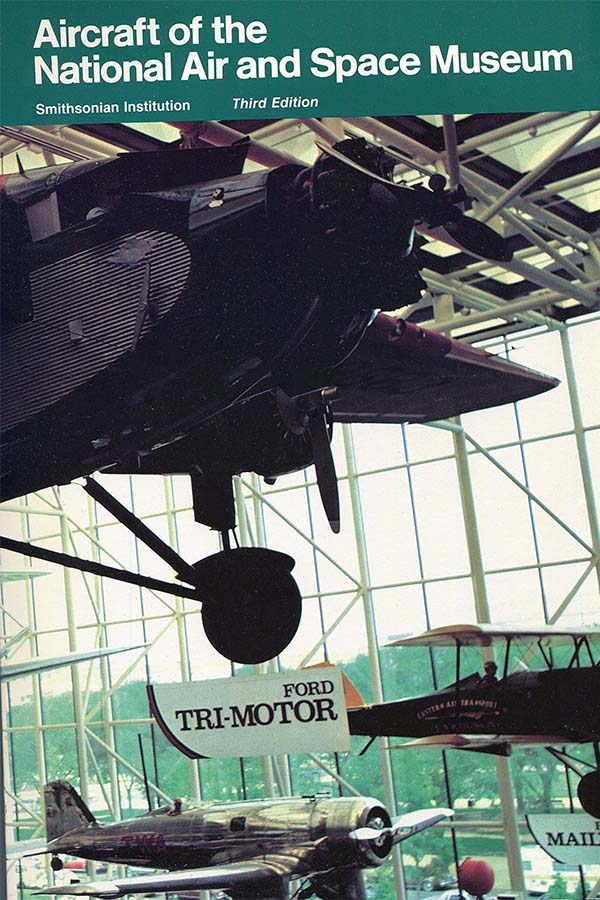
Aircraft of the National Air and Space Museum, Smithsonian Institution
Catalog includes descriptive articles about over sixty aircraft, many of them on display in the National Air and Space Museum, including the Bell UH-13J, the Cessna 180, the Fokker T-2, the Sikorsky XR-4, the famed Wright 1903 flyer, and the Spirit of St. Louis.
Book Length:
Digital Book Number: DB017389

Rockets, missiles, and spacecraft of the National Air and Space Museum, Smithsonian Institution
Gives brief descriptive histories of rockets, missiles, spacecraft, and related artifacts on display at the Smithsonian Air and Space Museum. Includes information on the early Congreve rockets; Goddard's experimental rockets; the German V-1s and V-2s; Sputnik, Explorer, and other satellites; the Mariner, Gemini, and Apollo projects; lunar surface equipment; Skylab; and more.
Book Length:
Digital Book Number: DB016427