Banned Books Week, September 18th - 24th

Banned Books Week graphic. Books unite us. Censorship divides us.
"Banning books give us silence when we need speech. It closes our ears when we need to listen. It makes us blind when we need sight." - Stephen Chbosky

Banned Books Week is September 18th – 24th. Many people are surprised to learn that books are still being banned in our country today, but In April 2022, nonprofit organization PEN America found that 1,586 book bans targeting 1,145 unique books had occurred in the past nine months. In fact, according to the New York Times, more books are being challenged today at a pace not seen for decades.

The most controversial books are banned mainly due to issues of race, sex, sexual orientation, and gender. But other reasons for banning books can include religion (including the Bible), talking animals, or just a plain dislike of the subject matter or author. Check out some of the most banned books of the last ten years that are in our collection.
Banned Books Week List

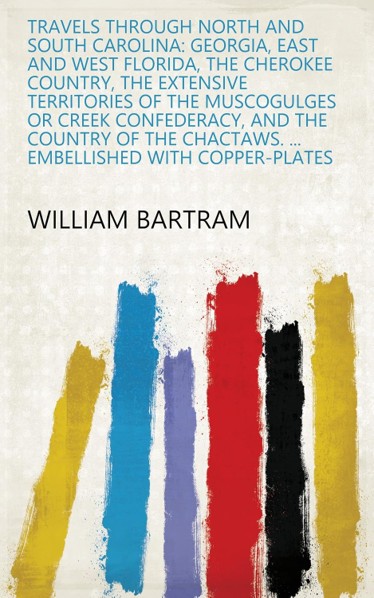
Cover of Travels and other writings: Travels through North and South Carolina, Georgia, East and West Florida ; Travels in Georgia and Florida, 1773-74: A report to Dr. John Fothergill; Miscellaneous writings.

Travels and other writings: Travels through North and South Carolina, Georgia, East and West Florida ; Travels in Georgia and Florida, 1773-74: A report to Dr. John Fothergill; Miscellaneous writings

William Bartram

Collection of writings and drawings by writer, botanist, gardener, naturalist, and wilderness explorer William Bartram (1739-1823). Includes Travels through North and South Carolina, Georgia, East and West Florida (1791); Travels in Georgia and Florida, 1773-74: A Report to Dr. John Fothergill; and Miscellaneous Writings. Edited by Thomas P. Slaughter. 1996.

Book Length:
Digital Book Number: DB091440

View in Catalog

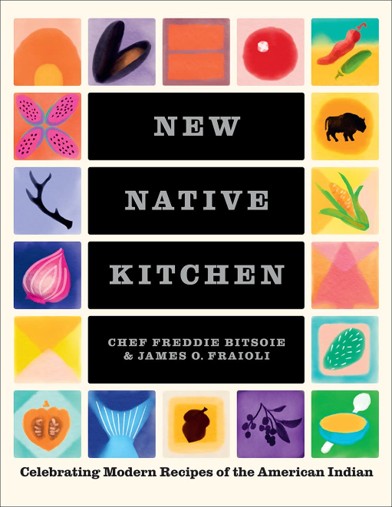
Cover of New Native kitchen: celebrating modern recipes of the American Indian.

New Native kitchen: celebrating modern recipes of the American Indian

Freddie Bitsoie

Chef Bitsoie and James Beard Award-winning author Fraioli present a collection of recipes celebrating Indigenous cuisine and food traditions of North America. Categories include soups, salads and vinaigrettes, vegetables and starches, land and sea, and puddings and sweets. Includes a list of pantry items typically found in Indigenous kitchens. 

Book Length:
Digital Book Number: DB106243

View in Catalog

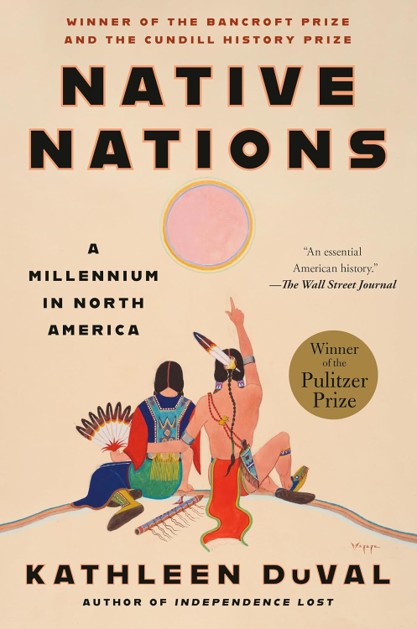
Cover of Native nations: a millennium in North America.

Native nations: a millennium in North America

Kathleen DuVal

In this magisterial history of the continent, Kathleen DuVal traces the power of Native nations from the rise of ancient cities more than 1000 years ago to the present. She reframes North American history, noting significantly that Indigenous civilizations did not come to a halt when a few wandering explorers or hungry settlers arrived, even when the strangers came well-armed. A millennium ago, North American cities rivaled urban centers around the world in size, but following a period of climate change and instability DuVal shows how numerous nations emerged from previously centralized civilizations. From this urban past, patterns of egalitarian government structures, complex economies and trade, and diplomacy spread across North America. And, when Europeans did arrive in the 16th century, they encountered societies they did not understand and whose power they often underestimated. For centuries, Indigenous people maintained an upper hand and used Europeans in pursuit of their own interests. In Native Nations, we see how Mohawks closely controlled trade with the Dutch and influenced global trade patterns and how Quapaws manipulated French colonists. With the American Revolution, power dynamics shifted, but Indigenous people continued to control the majority of the continent. The Shawnee brothers Tecumseh and Tenskwatawa built alliances across the continent and encouraged a controversial new definition of Native identity to attempt to wall off U.S. ambitions. The Cherokees created new institutions to assert their sovereignty to the U.S. and on the global stage, and the Kiowas used their preponderance of power in the west to regulate the passage of white settlers across their territory. The definitions of power and means of exerting it shifted over time, but the sovereignty and influence of Indigenous nations has been a constant.

Book Length:
Digital Book Number: DB121149

View in Catalog

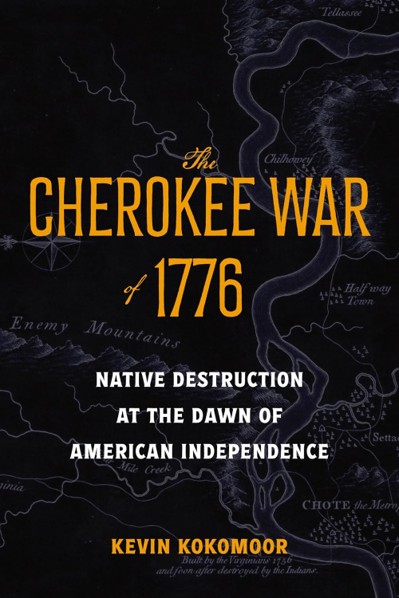
Cover of The Cherokee War of 1776: native destruction at the dawn of American independence.

The Cherokee War of 1776: native destruction at the dawn of American independence

Americans remember 1776 as the year liberty was declared, the moment they cast off tyranny and proclaimed the self-evident truths of equality and freedom. But that same summer, as patriots celebrated their defiant new nation, American armies launched another campaign -- this one aimed at destroying the Cherokee nation. The Cherokee War of 1776 recasts America's founding moment by tracing the importance of westward ambition and settler violence to the origins of the Revolutionary War. In this gripping and sobering book, historian Kevin Kokomoor uncovers the rarely acknowledged war waged by the emerging United States against the Cherokee people just days after the Declaration of Independence was signed. Far from a spontaneous frontier skirmish, this war was a coordinated, state-backed campaign with a clear aim: seize Indigenous land and crush Native resistance. Many of the very men who championed liberty on parchment simultaneously advocated for the wholesale destruction of a sovereign Native nation. At the heart of this story is Cherokee resistance, which was strategic, determined, and deeply rooted in community dynamics. Figures like Dragging Canoe emerged to lead a movement that endured long after American armies had burned Cherokee towns to the ground. Kokomoor foregrounds Cherokee voices, motivations, and resilience, challenging the notion that they were merely pawns in a colonial struggle and forcing us to reckon with the real costs of independence and the long fight for Indigenous sovereignty.

Book Length:
Digital Book Number: DB138044

View in Catalog

Cover of The rediscovery of America: native peoples and the unmaking of U.S. history

The rediscovery of America: native peoples and the unmaking of U.S. history

Ned Blackhawk

The most enduring feature of U.S. history is the presence of Native Americans, yet most histories focus on Europeans and their descendants. This long practice of ignoring Indigenous history is changing, however, with a new generation of scholars insisting that any full American history address the struggle, survival, and resurgence of American Indian nations. Indigenous history is essential to understanding the evolution of modern America. Ned Blackhawk interweaves five centuries of Native and non-Native histories, from Spanish colonial exploration to the rise of Native American self-determination in the late twentieth century. In this transformative synthesis he shows that: European colonization in the 1600s was never a predetermined success; Native nations helped shape England's crisis of empire; the first shots of the American Revolution were prompted by Indian affairs in the interior; California Indians targeted by federally funded militias were among the first casualties of the Civil War; the Union victory forever recalibrated Native communities across the West; twentieth-century reservation activists refashioned American law and policy. Blackhawk's retelling of U.S. history acknowledges the enduring power, agency, and survival of Indigenous peoples, yielding a truer account of the United States and revealing anew the varied meanings of America.

Book Length:
Digital Book Number: DB115217

View in Catalog

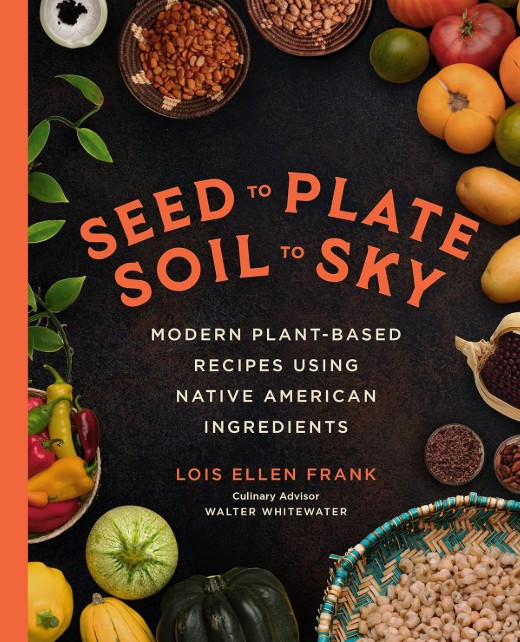
Cover of Seed to plate, soil to sky: modern plant-based recipes using Native American ingredients.

Seed to plate, soil to sky: modern plant-based recipes using Native American ingredients

Lois Ellen Frank

When these eight Native American plants crossed the ocean after 1492, the world's cuisines were changed forever. In Seed to Plate, Soil to Sky, James Beard Award-winning author and chef Lois Ellen Frank introduces the splendor and importance of this Native culinary history and pairs it with delicious, modern, plant-based recipes using Native American ingredients. Along with Native American culinary advisor Walter Whitewater, Seed to Plate, Soil to Sky shares more than 100 nutritious, plant-based recipes organized by each of the foundational ingredients in Native American cuisine as well as a necessary discussion of food sovereignty and sustainability. A delicious, enlightening celebration of Indigenous foods and Southwestern flavors, Seed to Plate, Soil to Sky shares recipes for dishes such as Blue Corn Hotcakes with Prickly Pear Syrup, Three Sisters Stew, and Green Chile Enchilada Lasagna, as well as essential basics like Corn Masa, Red and Green Chile Sauces, and Cacao Spice Rub. The "Magic 8" ingredients share the page-and plate-to create recipes that will transform your world.

Book Length:
Digital Book Number: DB116321

View in Catalog

Connect the Dots

Fall 2026

The latest edition of Connect the Dots is here, and as always it’s full of reading recommendations, national and community Talking Book Services updates, and much more. Listen now to stay up-to-date on what’s happening at SC TBS!